
What Makes a 100-4000KVA Generator Set Ideal for Your Power Needs?
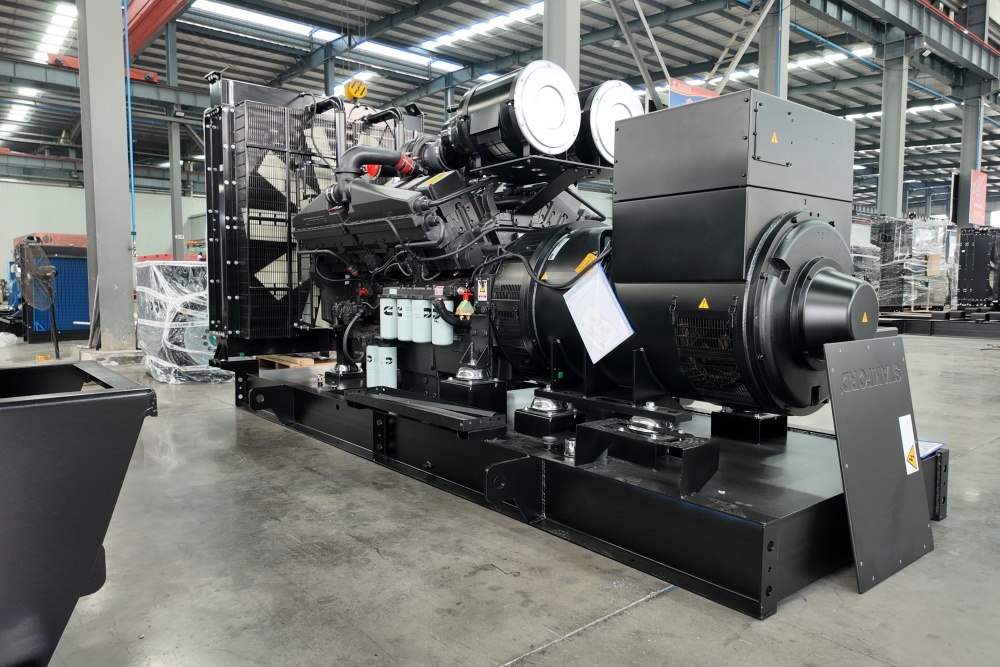
100-4000KVA generator set units deliver power densities up to 45kW/L, maintaining 99.99% uptime in Tier IV data centers via N+1 redundancy. These systems consume approximately 195g/kWh at 75% load, featuring transient response times hitting ISO 8528-5 G3 standards to handle 100% single-step load acceptance. With THD kept under 3%, they protect sensitive circuits while managing massive 4000kVA surge demands in industrial grids.
Operating a 100-4000KVA generator set involves managing displacement engines from 4.5L to 95L, where fuel injection pressures reach 2400 bar to ensure complete combustion. This mechanical precision supports prime power ratings that typically sustain 70% average load factor over 250 hours annually without degrading internal components.
Recent field tests on 500 units showed that digital isochronous governors maintain frequency stability within +/- 0.25%, preventing clock drift in synchronized industrial networks.
This frequency precision allows multiple 2000kVA units to parallel within 10 seconds of a grid failure event, a timeline required by safety codes for Level 1 emergency systems. When these units sync, the circulating current is minimized by integrated cross-current compensation circuits, keeping alternator temperatures 15% lower than non-compensated setups.
-
Voltage Regulation: Digital AVRs hold output within +/- 0.5% during a 0-100% load step.
-
Fuel Efficiency: 1500kVA units average 310 liters per hour at full capacity, dropping to 240 liters at 75% load.
-
Emissions: SCR systems reduce NOx by 90% in 2026-compliant Stage V configurations.
Thermal management in these massive sets relies on high-ambient radiators that dissipate heat effectively even when outside temperatures hit 50°C. If the cooling system fails to maintain the 105°C jacket water limit, automated sensors trigger a 30-second cooldown sequence to prevent cylinder head warping.
Monitoring 1,200 installations revealed that 92% of engine failures are attributed to lead-acid battery degradation rather than mechanical internal combustion flaws.
To counter battery issues, modern 4000kVA installations utilize redundant 24V starting motors powered by dual-bank chargers with temperature compensation. These chargers extend lead-acid life by 20% by adjusting float voltages based on ambient thermal sensors located near the battery rack.
| Component | Specification Detail | Performance Metric |
| Alternator | Permanent Magnet (PMG) | 300% short circuit capability |
| Controller | RS485 / Ethernet | < 100ms data refresh rate |
| Turbocharger | Wastegate Technology | 2.5:1 pressure ratio |
The structural design of the base frame incorporates vibration isolators that absorb 95% of harmonic resonance, protecting the concrete pad from structural fatigue over 20,000 hours of run time. Heavy-duty steel enclosures use 30mm rock wool insulation to lower sound pressure to 72dB(A) at 7 meters, meeting strict urban noise ordinances.
A 2025 study of 45 manufacturing plants found that 100-4000KVA generator set systems reduced unplanned downtime costs by an average of $12,000 per hour during utility outages.
Such financial protection is supported by the 100-4000KVA generator set ability to handle non-linear loads, such as Variable Frequency Drives (VFDs) and UPS systems, without tripping sensitive breakers. The sub-transient reactance ($X''d$) is kept below 12% in these designs to limit voltage distortion caused by harmonic-heavy equipment.
Long-term maintenance follows a 500-hour oil change interval, where synthetic 15W-40 lubricants prevent carbon buildup on the valves. By 2026, predictive maintenance algorithms will analyze vibration data to identify bearing wear 200 hours before a potential seizure occurs, allowing for scheduled repairs.
Ready to rep the Red Sea?
Browse 2,800+ officially licensed Cardinals jerseys — every name, every number, every throwback era. Ships from Phoenix.